Politics and property – how our leaders are among the privileged using legal loopholes to build their wealth
- Written by Rod Campbell, Honorary fellow, Deakin University
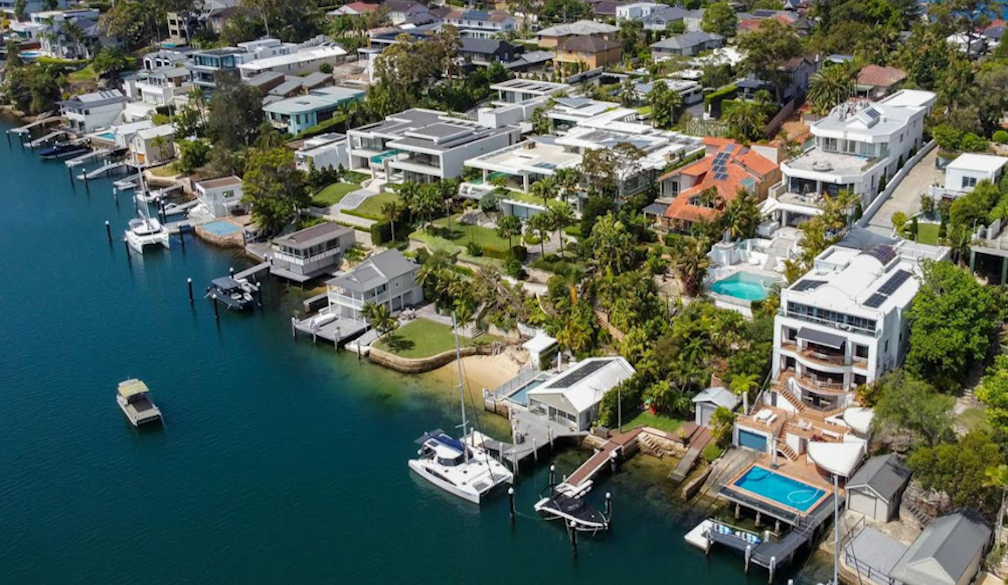
Not so long ago, former Liberal prime minister Malcolm Turnbull was branded “Mr Harbourside Mansion”, a moniker bestowed upon him by his own side of politics.
Turnbull’s estimated A$200 million in wealth when he entered politics was well known. So too was the estimated $56 million in riches accrued outside of politics by Labor prime minister Kevin Rudd and his family.
Not all politicians are multimillionaires like Turnbull and Rudd. But generally, they are wealthier than their constituents. They are also more likely to own more than one home.
A recent ABC analysis of the parliamentary public interests register found 215 of Australia’s 227 members and senators own at least one property. 77 of them recorded interest in three or more properties.
Out of touch pollies?
Australians know their politicians tend to be richer than they are and sometimes it makes waves.
Anthony Albanese’s purchase of a $4 million home on the New South Wales Central Coast dominated headlines for weeks, and it’s still being raised in focus and research groups as an issue with voters.
Crucially, like Turnbull and Rudd’s wealth, Albanese’s cash splash on his coastal dream home has always been publicly available information.
Veiled wealth
But Opposition Leader Peter Dutton has mostly managed to skate by in the conversations about MPs and their money. He has kept the media’s focus on his brief career as a Queensland police officer, rather than the riches he has accrued through investing in property.
While Dutton has not made a secret of his previous investments, and elements of his wealth have dripped into the public domain in the past, his affluence has rarely been discussed in whole terms. That changed this week with the Nine newspapers estimating his property investments at $30 million in transactions across 26 pieces of real estate.
The portfolio, bought and sold over 35 years, eclipse Albanese’s property interests several times over.
Dutton’s story highlights a tension that continues to frustrate voters: politicians who enjoy superior wealth are the ones who decide the financial circumstances of their constituents’ lives.
Uncomfortable questions
The stories highlighting Dutton’s prosperity have pointed out his past use of tax structures, including discretionary trusts, self-managed super funds and family companies to manage his money.
Dutton has defended the millions he has made in property purchases. He’s accused his political rivals of mounting a “smear campaign” by trying to discredit him for being an “astute investor”.
On the other side of politics, Albanese has refused to say if he used negative gearing before he became prime minister to reduce his tax bill.
Exposing and debating the wealth of our leaders may be uncomfortable for them, but it’s an opportunity to push all sides of politics to address the aspects of our tax system that make it less fair.

Tax loopholes for some
The first thing to understand is that there are far fewer tax loopholes for avoiding tax on wages. If you work for a living, like most Australians, there are not many tax tricks for you.
If you own assets and earn income from investments, however, things are a little different. How you own the assets is also important. Simply owning your own home is nice, but not as good as owning assets through a discretionary trust, a self-managed super fund, or a family company.
Financial vehicles
A discretionary trust is a way of holding income earning assets where the income stream can be split between beneficiaries. This means money can be directed to the people in the trust who face the lowest marginal tax rates, such as adult children, rather than a higher-earning parent, who faces a higher tax rate.
The income earned from trusts overwhelmingly goes to high income earners. Treasury estimates (page 47) that the top 10% of income earners receive 63% of the income from trusts, while the bottom half of income earners get just 11% of the income.
A self-managed super fund helps reduces taxation because of the various tax breaks for superannuation. For example, an owner might have their business in their self-managed super fund, with the income to the fund being taxed at a lower rate than it would have if it was owned in the business owner’s name.
A family company, like trusts and self-managed super funds, is a vehicle for owning assets. If the assets are owned by a family company, then profits are subject to company tax rates. This can be as low as 25% if the company turnover is less than $50 million per year.
All three of these asset-owning vehicles are entirely legal. And they can have legitimate uses. But they also provide tax loopholes that can be used to reduce the amount of tax someone has to pay and to obscure who actually owns the assets.
Level the playing field
This is fundamentally unfair. These structures for reducing tax are mostly only available to the wealthy. The average wage earner cannot structure their income through such complex tax structures.
Scrapping the capital gains tax discount, getting rid of discretionary trusts, placing more limits on the types of assets that can be held in self-managed super funds, and increasing tax rates on people with big super balances would reduce the ability of the wealthy to avoid paying tax.
It is hard to reform tax loopholes because most people don’t understand them and the people who do understand them reap the biggest benefits from them.
The current discussion around Dutton’s investments might help more people become cognisant of these tax structures and how some of the biggest beneficiaries are politicians pretending to understand what it’s like to be a worker in a cost-of-living crisis.
Authors: Rod Campbell, Honorary fellow, Deakin University