

We eat a lot of wheat. So how can we grow more in a changing climate?
- Written by: Phil Brewer, Professor in Plant Biology, La Trobe University
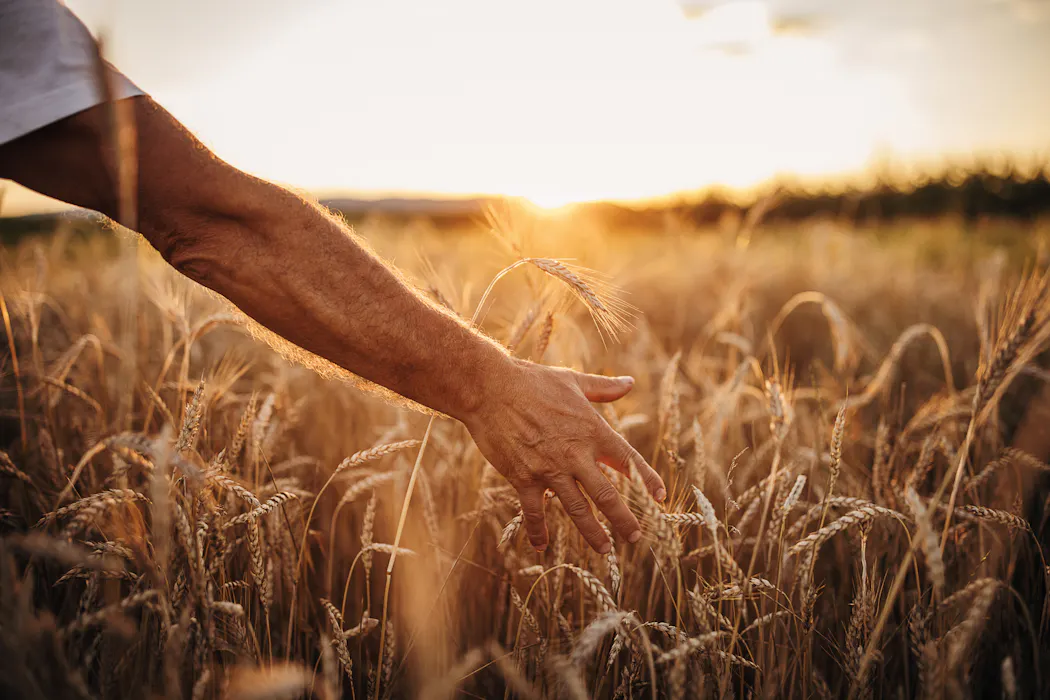
Whether it’s tucking into some toast, dumplings or a bowl of fresh pasta, humans love eating wheat.
Wheat is the most widely grown cereal crop in the world. It’s produced by harvesting the dry, edible seeds of a type of cultivated grass. Once processed, these seeds can be used for food, animal feed and industrial purposes such as biofuel production.
The global demand for wheat rises year after year, largely due to population growth. In 2026, global wheat production is set to reach 820 million tonnes.
Wheat is a tough plant, able to endure drought, heat and cold. But it has limits.
The world’s major wheat-growing regions are increasingly vulnerable to climate change. More extreme weather and rainfall shortages are already making life harder for wheat farmers. And many are now facing the added challenge of securing fertiliser and fuel amid shortages linked to the Iran war.
So how can we keep growing wheat with all these pressures, and especially in a changing climate?
Wheat around the world
Wheat is a staple food for roughly three billion people around the world, of whom more than one-third live in the poorest countries. Wheat contributes more calories and protein to the world’s diet than any other crop.
Wheat is also a major economic commodity, contributing nearly $A70 billion to the global economy. Millions of farmers around the world rely on it to make a living. Australia’s graingrowers produce about 4% of the world’s wheat. But this crop is disproportionately important, as the majority is exported. This is between 10% and 20% of global wheat exports.
Our changing climate
Humans have successfully grown wheat for more than 10,000 years. Over this period, global climate and rainfall patterns have remained relatively stable.
But the climate is now very rapidly changing, due largely to our continued reliance on fossil fuels.
Wheat is a temperate-zone crop, thriving in places with moderate rainfall and mild, sunny weather. Conditions in the world’s temperate zones – geographic regions that typically have hot summers and cold winters – are getting more extreme. Rainfall patterns are also changing. Some areas are getting drier and others wetter and cloudier.
These climatic changes make it much harder for farmers to reliably grow healthy, high-yielding crops such as wheat. Recent modelling suggests average wheat yields in dryland growing regions – where farmers rely on rainfall instead of irrigation – could fall by up to 20% by the 2030s.
These changes can also make wheat crops less nutritious. One 2020 study found more carbon dioxide in the air reduces how much protein wheat grains have. This matters because food that’s low in essential nutrients, fibre or protein can contribute to “hidden hunger”, which affects people who only eat nutrient-poor foods.
Climate change may also make weeds, pests and plant diseases more of a problem. These already have a huge financial toll on Australian farmers, costing them more than $5 billion each year in agricultural losses. Just this week, farmers in two Australian states have been battling a potential mouse plague. Researchers suggest unpredictable weather – two years of drought followed by record-breaking rain – is a key factor.
So, what can we do?
In response, scientists around the world are working to develop climate-resilient, high-yielding wheat varieties.
One approach is crop plasticity – breeding crops to become more “plastic”, meaning they can more effectively adapt to harsher climatic conditions. Researchers are investigating how specific genes in crop plants could boost climate resilience. Some are examining the genes of ancestral wheat varieties to find beneficial genes that could make modern varieties more climate-resilient, meaning they tolerate more heat and require less water to grow.
Another promising research area is plant hormones. Our team has studied strigolactone, a plant hormone that helps plants perform better in warmer, drier conditions or with reduced nutrients. In our recent study, we found altering a plant’s production of strigolactone prevented yield loss, even when less fertiliser is applied. This suggests plant hormones could help certain crops adapt better to climate change.
Wheat can’t do it all
Wheat is a very versatile crop. But it can’t adapt to every new challenge. It’s time to consider growing other crops better suited to certain farming areas.
For example, climate change may turn temperate areas sub-tropical, making their summers hotter and winters milder.
As the climate keeps changing, it may work better to replace wheat with crops such as sorghum and maize, which are better suited to hot, dry conditions.
We can also grow rarer crops which look to be very resilient in the face of climate change. Ancient grains such as sorghum and teff are two examples.
That’s not to say we won’t need wheat. Securing our supplies of wheat will be essential to feed future generations. But as the climate rapidly changes, we urgently need to find creative, sustainable ways to keep producing this vital crop.
Authors: Phil Brewer, Professor in Plant Biology, La Trobe University


















