
There's a movement gaining traction on the Sunshine Coast, providing a village of support, socialisation and relief for first-time mothers and babie...

Some dads are easy to buy for. Others do not want anything, already have everything, or give you the classic "don't worry about me" answer every yea...

Brakes don't need frequent replacements like oil changes do.
But a lot of the wear happens quietly, over months, because of habits most drivers...

Moving into a new home is an exciting opportunity to personalise your space and make it your own. While many homeowners focus on furniture, flooring...

When saying goodbye to someone you love, there is no single way to honour their life. Every family has different traditions, beliefs, and preference...

Roofing projects are an important part of maintaining and protecting your home. Whether you're repairing storm damage, replacing an ageing roof, or ...

Academic success often requires more than classroom attendance alone. Students face increasing expectations as they progress through school, particu...

Managing unwanted hair can become time-consuming and frustrating for many people, especially when shaving, waxing, and other temporary methods requi...

For IT leaders managing large fleets, the device layer is where workforce productivity and security policy meet. The shift towards flexible and hybrid...

Every business owner aims to build a profitable and sustainable organisation. While dedication, innovation, and hard work are important, achieving l...

Many people maintain healthy lifestyles through regular exercise and balanced eating habits but still struggle with stubborn areas of fat that are d...

A lot of Australian business owners spend weeks researching POS software but buy hardware almost as an afterthought. That's a mistake. The wrong har...

A high-performance material handling hose is an essential component in industries that transport abrasive, dry, or bulk materials on a daily basis...

Choosing legal support can feel difficult, especially when the stakes are personal or business-related. The right lawyer in Melbourne should underst...

The Australian hospitality industry is still in recovery mode after a notoriously rough patch in recent years. While there has been a post-COVID tra...

There’s no sign of the northern migration slowing down, with thousands of southerners fleeing from chaotic lifestyles and cooler climates for a brig...

Strait of Hormuz blockage affecting all major parts of trades and construction
Trades and construction across residential, commercial and industria...
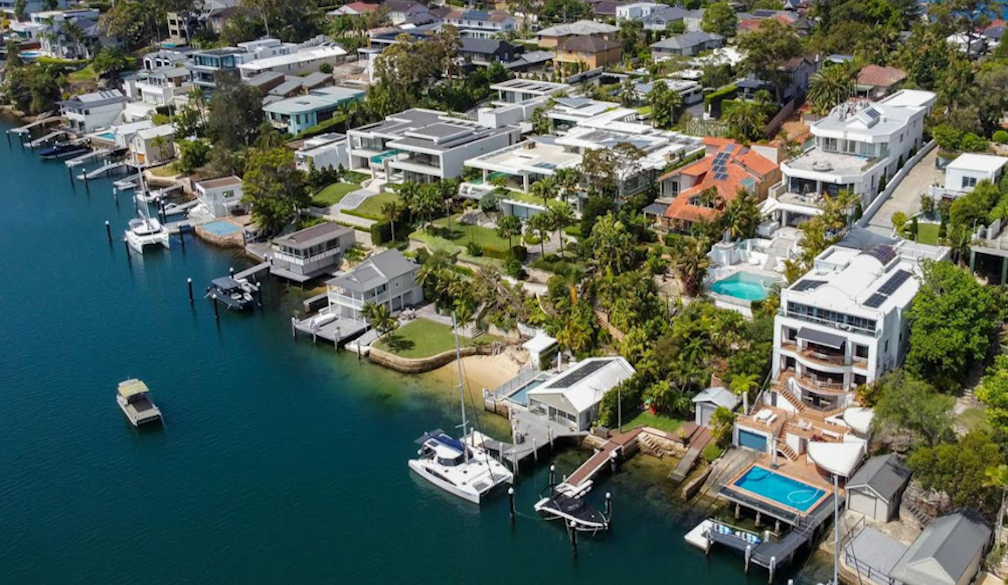
The Allure — and the Reality — of Renting Out Your Property
Owning a holiday home is a dream for many Australians. Whether it's a beachside sha...



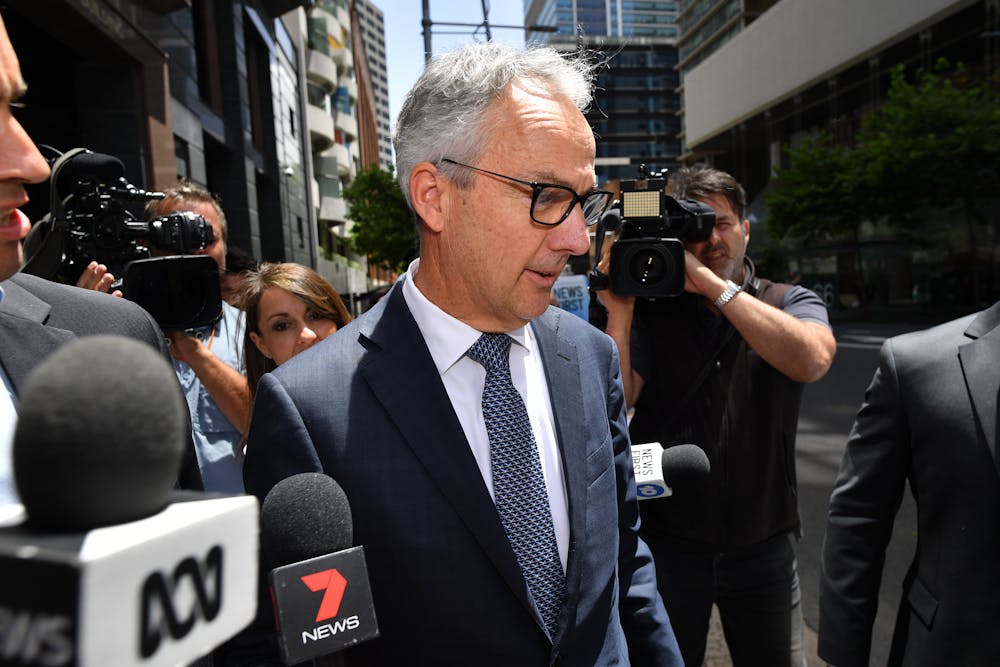 Macquarie Group chief Nicholas Moore leaving the Hayne Royal Commission in 2018.
Joel Carrett/AAP
But Macquarie was also lucky in that the Royal Commission’s terms of reference only required it to look back as far as the global financial crisis. Had it been required to look back further, its findings might have been different.
Prior to the financial crisis, Macquarie (and other banks) created highly financially engineered, structured products and marketed them to retail (and other) investors. Even financially literate investors could not have possibly understood the risks or value of the products they were sold.
A vast majority of these products would not have met current design and distribution obligation requirements aimed at protecting consumers.
This was typical of the time and Macquarie was not particularly different to other purveyors of such products. But whether, in the absence of effective regulation, Macquarie would revert to pushing these boundaries is a matter of opinion!
An Australian success nevertheless
There is no question that Macquarie is an Australian success story.
Its 2022 annual report indicates that A$100 invested in its shares at the time of its stock exchange listing in 1996 would have grown to $10,000 in 2022.
More importantly, it has provided or enabled funding for many investment projects of its customers, which might not otherwise have gone ahead.
By taking an active role in the management and governance of large projects (such as toll roads and utilities), it has enabled more efficient operation of such projects than might have otherwise occurred.
It currently is near the forefront of financiers focusing on “green finance”, where activities generating social and environmental benefits can be consistent with profiting from a first-mover position.
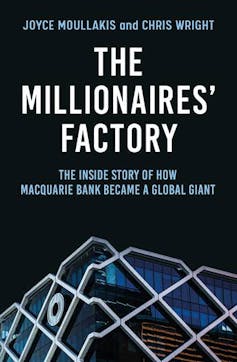
There will, no doubt, remain many critics of Macquarie’s profit orientation and a resulting possible conflict with broader social goals. They would gain much from reading this book, both to find specific instances of that conflict, but also to see that profit-seeking is not always inconsistent with social goals.
Authors: Kevin Davis, Emeritus Professor of Finance, The University of Melbourne
Macquarie Group chief Nicholas Moore leaving the Hayne Royal Commission in 2018.
Joel Carrett/AAP
But Macquarie was also lucky in that the Royal Commission’s terms of reference only required it to look back as far as the global financial crisis. Had it been required to look back further, its findings might have been different.
Prior to the financial crisis, Macquarie (and other banks) created highly financially engineered, structured products and marketed them to retail (and other) investors. Even financially literate investors could not have possibly understood the risks or value of the products they were sold.
A vast majority of these products would not have met current design and distribution obligation requirements aimed at protecting consumers.
This was typical of the time and Macquarie was not particularly different to other purveyors of such products. But whether, in the absence of effective regulation, Macquarie would revert to pushing these boundaries is a matter of opinion!
An Australian success nevertheless
There is no question that Macquarie is an Australian success story.
Its 2022 annual report indicates that A$100 invested in its shares at the time of its stock exchange listing in 1996 would have grown to $10,000 in 2022.
More importantly, it has provided or enabled funding for many investment projects of its customers, which might not otherwise have gone ahead.
By taking an active role in the management and governance of large projects (such as toll roads and utilities), it has enabled more efficient operation of such projects than might have otherwise occurred.
It currently is near the forefront of financiers focusing on “green finance”, where activities generating social and environmental benefits can be consistent with profiting from a first-mover position.
There will, no doubt, remain many critics of Macquarie’s profit orientation and a resulting possible conflict with broader social goals. They would gain much from reading this book, both to find specific instances of that conflict, but also to see that profit-seeking is not always inconsistent with social goals.
Authors: Kevin Davis, Emeritus Professor of Finance, The University of Melbourne