

Racing to buy a home battery? Read this first
- Written by: Trevor Brown, Emeritus Professor of Chemistry, School of Science and Technology, University of New England
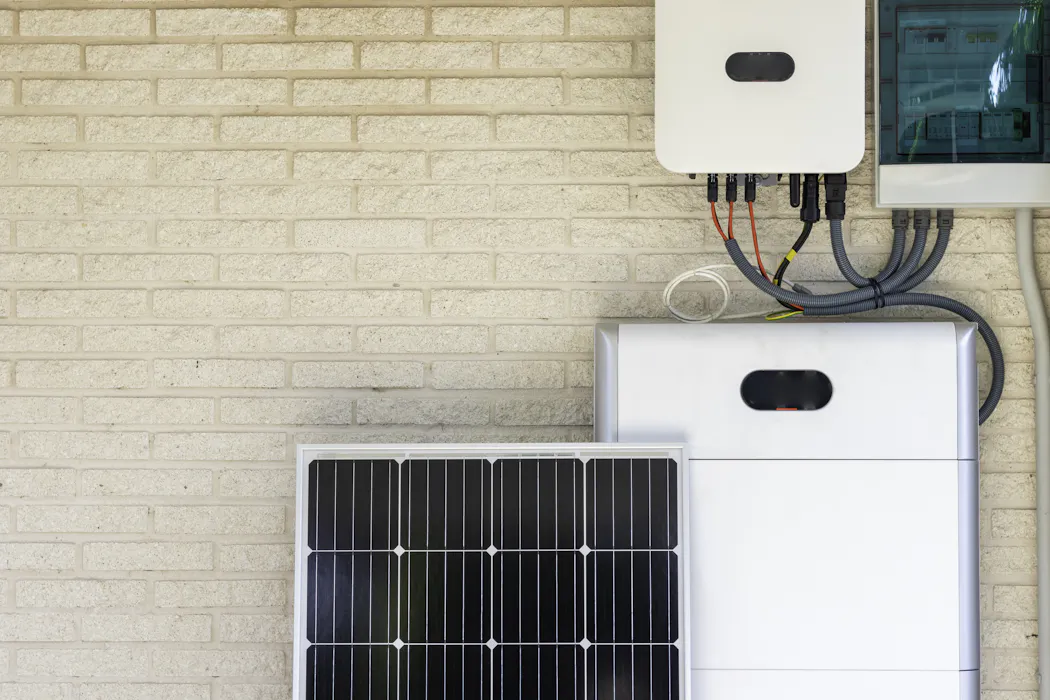
Australians are installing home batteries at a record rate.
Since July 2025, more than 260,000 households, businesses and organisations have installed home batteries under the federal government’s Cheaper Home Batteries Program.
The program offers a discount of about 30% on the upfront cost of installing eligible small-scale battery systems, which help cut power costs while taking pressure off the main electricity grid.
But from May 1, the government is changing how it calculates this discount. This is to keep the rebate sustainable as battery costs fall, while also discouraging people from installing oversized systems.
For a typical household battery with a storage capacity of about 10–13 kilowatt-hours (kWh), the May 1 rebate change will likely reduce upfront costs by between A$600 and $800.
That’s not a major saving. So it’s not worth rushing to buy a battery, especially if it doesn’t suit your needs.
Boosting batteries
Home batteries allow households to store solar energy for when they need it most – at night, for example – while cutting power costs. Batteries also help reduce our collective reliance on the energy grid, and fossil fuels more broadly.
Australians have installed 260,000 solar batteries to date, capable of storing 7.7 gigawatt-hours (GWh) of energy. That’s enough to power about half a million average homes for a day.
The government now wants up to two million households to have a battery within four years. That’s nearly eight times the current number.
So, what’s changing?
Currently, the federal government offers incentives called small-scale technology certificates, or STCs. These are created when eligible small-scale renewable energy systems are installed, such as rooftop solar panels, solar batteries and heat pump hot water systems. Installers can claim these certificates, and then pass it onto customers as an immediate discount.
From May 1, the government will adjust how this upfront discount is applied, in two main ways.
First, the discount will step down every six months, and at a higher rate as time goes on. This means the rebate will generally be worth less the longer households wait to buy and install a battery.
Second, the discount will be tied to battery size. This means smaller batteries receive the full discount rate, while larger batteries receive a lower rate on their additional storage capacity.
The aim is to keep the overall discount at around 30%, while adjusting for falling battery costs over time. This also allows the government to prevent cost blowouts.
Read more: Batteries for all, not just the rich? Labor’s home battery plan must be properly targeted to be fair
Overall, these changes are a positive step. They will ensure households won’t just buy the biggest battery, but one that matches their energy usage, charging needs and existing infrastructure.
However, the May 1 deadline may see people make rushed purchases, buying batteries based on confusing quotes and optimistic savings claims.
Authorities are aware of these risks. The Australian Competition and Consumer Commission has warned consumers to avoid racing to buy anything. It is also scrutinising the sales practices of battery and solar suppliers, as well as electricity retailers.
The Clean Energy Regulator is similarly monitoring retailers and installers around the May 1 deadline.
Read more: When disasters strike, home batteries could be a lifeline
So, how can I choose the right battery?
If you’re still keen to buy a home battery, don’t rush in. Instead, take your time and consider these three points.
1. Storage isn’t the same as power
Retailers often market home batteries in terms of kilowatt-hours (kWh), a measure of how much energy a battery can store.
By contrast, a battery’s kilowatts (kW) tells you how much power it can deliver at any given time, as well as how quickly it can charge or discharge.
Battery retailers often emphasise storage because it sounds more appealing. But it’s often not as important as how much power a battery can deliver.
For instance, you may splurge on a battery with a large capacity but low power output. It may store a lot of energy, but fail to run several large appliances at once. Also, some households may not generate enough surplus solar to regularly charge a large battery, and may have a system that can’t charge from the grid.
Governments don’t usually regulate whether a battery is the right size for a particular home. However, the Australian Competition and Consumer Commission can act against misleading claims made by battery retailers and suppliers.
2. Safety is key
You should also check how your battery is installed. More than 60% of batteries inspected by the Clean Energy Regulator were found to be substandard and 1.2% were actually unsafe.
Substandard doesn’t mean the battery is faulty. It means the installer didn’t follow all the installation rules. These usually aren’t too serious – the most common issue is missing or incorrect warning labels – but at their worst can pose a safety risk.
Households in low-income or regional areas may have less protection against poor sales advice or substandard installation, particularly if they have fewer retailers and installers to choose from.
To prevent this, government should fund trusted local quote-check services to ensure households can properly compare offers. It must also strengthen compliance by making battery installer accreditation more stringent.
3. Upfront costs may still be high
Even with government subsidies, some households may still struggle to afford a home battery. However, the government could help cover the remaining upfront cost by pairing the current discount with low-cost or zero-interest finance.
Don’t rush
Yes, the May 1 deadline is fast approaching. But the subsidies aren’t ending – they’re changing. So it’s worth taking the time to find a system that actually meets your needs.
Read more: More than 60% of home battery installations inspected in Australia are ‘substandard’
Authors: Trevor Brown, Emeritus Professor of Chemistry, School of Science and Technology, University of New England
Read more https://theconversation.com/racing-to-buy-a-home-battery-read-this-first-281022


















